
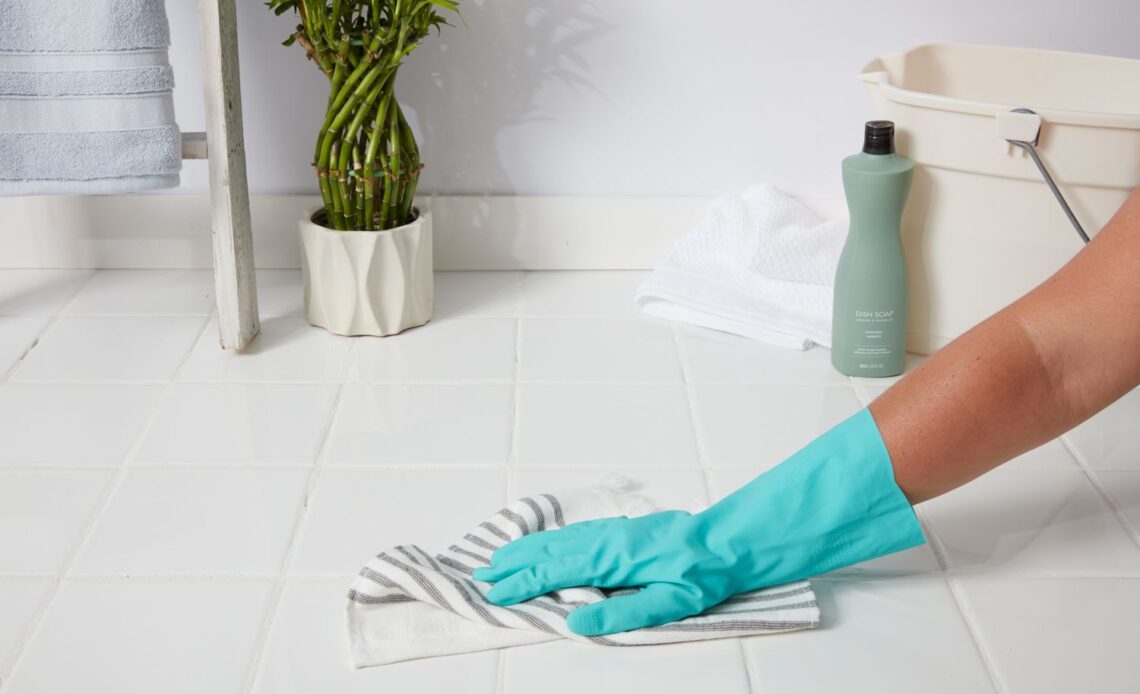
Tile floors are one of the most popular choices in UK homes and for good reason. They’re hardwearing, water-resistant, and look fantastic when cared for properly.
The trouble is that most people either over-clean them with the wrong products or under-clean them until the grout develops its own ecosystem.
Don’t worry, though, because we’ve got you covered. Here’s how you can keep your tiles in great shape without turning floor care into a second job.
Know Your Tile Type First
Before you grab the mop and go full speed, take a moment to figure out what kind of tiles you’re dealing with. They might look similar at a glance, but they don’t all respond the same way to water, scrubbing, or cleaning products.
And treating them all the same is a fast track to dull or damaged floors. Here are the most common types in most UK homes:
- Made from baked clay, it’s durable enough for normal wear and tear, but it can chip if you go at it too aggressively with abrasive tools or stiff brushes.
- Denser and more water-resistant than ceramic, porcelain handles moisture and heavy foot traffic well. This makes it ideal for bathrooms and kitchens.
- Natural stone. This includes marble, slate, and travertine. These tiles look beautiful, but they’re porous, which means they absorb liquids and react badly to acidic cleaners.
If you’re unsure, check any leftover packaging or paperwork, or ask the installer if possible. A quick confirmation now can save you from costly mistakes later.
Gather the Right Products and Tools
Now that you know which type of tiles you have, it’s time to set yourself up properly. Having the right kit before you start will make the whole process faster and help you avoid any accidental damage along the way.
For tools, a soft-bristle broom or a vacuum with a hard-floor setting is essential. Pair that with a microfibre mop. Unlike traditional string mops that push dirt around, microfibre actually lifts it.
You’ll also want a bucket, an old toothbrush for grout, and a few clean cloths for spills and spot cleaning.
For cleaning solutions, avoid anything harsh. Bleach, chlorine-based cleaners, and highly acidic products can strip grout and dull the surface of natural stone faster than you’d expect.
If you’re dealing with ceramic or porcelain, a diluted solution of warm water and washing-up liquid is all you need for most situations. A white vinegar solution works too, though keep it away from grout and natural stone.
For natural stone, use pH-neutral products specifically designed for stone surfaces. These are widely available and worth the small extra cost.
Sweep or Vacuum First
Most tile damage doesn’t come from spills or stains. It comes from grit. Tiny particles of dirt and debris act like sandpaper underfoot, slowly scratching the surface and dulling the finish over time.
Before you even think about mopping, get rid of that grit. Otherwise, you’ll just push it around with your mop and create a thin, streaky layer of mud.
Use the soft-bristle broom or vacuum on its hard-floor setting, and skip any beater bar attachments unless you enjoy the sound of things going wrong. Those rotating brushes are great for carpets. But for tiles? Not so much.
Mop Properly
The grit is now gone, and you can finally mop your floors. But this is where enthusiasm can do more harm than good.
Tile floors don’t need to be soaking wet to get clean. In fact, if you use too much water, it can sit in the grout lines, encourage mildew, and loosen tile adhesive over time.
Instead, fill your bucket with water and your chosen cleaning solution, dip your mop in, and then wring it out. If you want to save time, use warm water. It lifts grime more effectively than cold water and makes the whole job easier.
Work in a figure-of-eight motion, moving across the floor in sections from one end of the room to the other. This way, you won’t end up stepping back onto the areas you’ve already cleaned or pushing dirt into the corners you’ve just sorted.
Finally, open your windows and let the floor air dry naturally. If you’re in a hurry, a dry microfibre cloth works well for a quick once-over.
Clean and Protect the Grout
Even when your tiles are sparkling, grout has a way of stealing the spotlight if it’s stained or cracked.
For regular cleaning, use a toothbrush and a dedicated grout cleaner. Work in small, firm strokes along the lines and avoid wire brushes or anything abrasive, which can widen the gaps over time.
More importantly, seal your grout every 6–12 months. The sealant will stop moisture and stains from penetrating the surface and keep your grout fresh for longer.
If your grout has already discoloured beyond saving, grout pens and recolouring products are widely available and surprisingly effective for a quick refresh.
Stick to a Routine
Tiles are low-maintenance, but that doesn’t mean you should ignore them for weeks. After all, why turn a five-minute job into an afternoon project?
Here’s a simple routine you can easily slot into your schedule:
- Sweep or vacuum high-traffic areas daily. Focus on entrances, kitchens, and hallways where grit builds up fastest.
- Mop weekly with a damp microfibre mop. Use warm water and your chosen cleaner, and keep the mop well wrung out to protect the grout and adhesive.
- Deep-clean grout once a month. Apply a grout cleaner and use a small brush to scrub along the lines, then rinse the floor with clean water.
- Check your sealant every 6–12 months. If water no longer beads on the surface, it’s time to reapply another coat. Staying ahead of this will help you protect your floors against moisture and staining.
If life gets busy, like it always does, you can call in a professional property cleaning service once or twice a year. They have the tools and experience to tackle built-up grime and spot issues you may not notice day to day.
Conclusion
Nobody is expecting you to regrout your entire bathroom this weekend. So, pick one room, follow the steps, and see how it goes.
Before long, it’ll become less of a chore and more like something that you’re just effortlessly on top of. Who knows, you might just find yourself noticing the shine on your way to the kettle.