
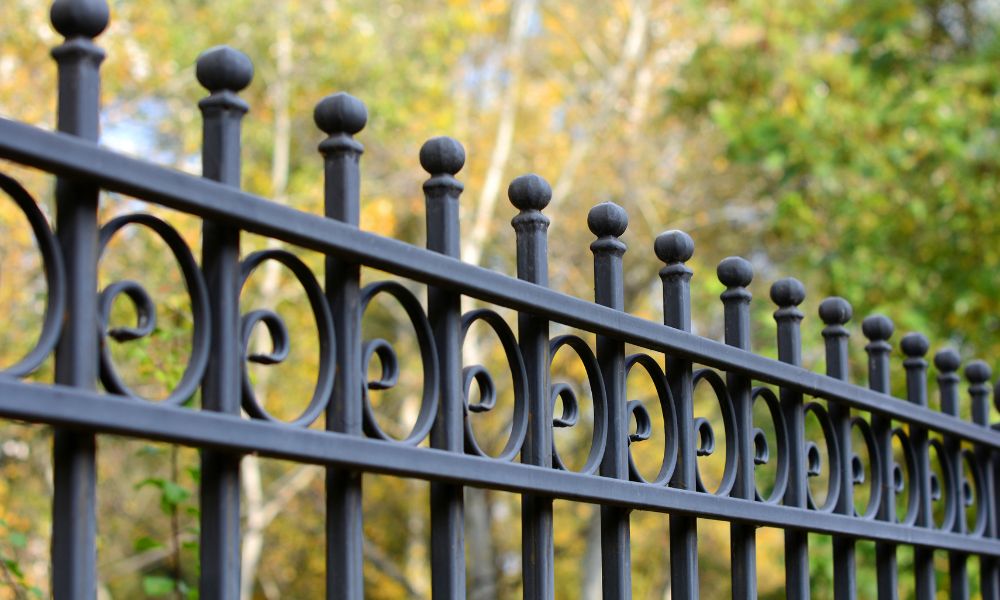
Most fence problems are noticed when they become obvious. A panel falls out. A post leans badly. A gate stops closing. By that stage, the issue has already been developing for some time. There is one particular problem I come across again and again that affects both how a fence looks and how it performs, yet it is often missed early on. Homeowners usually start searching for fencing companies near me when something feels wrong but cannot quite put their finger on it. Many begin by reviewing York Fencing to understand whether the issue is cosmetic or structural.
After decades working as a fencing contractor across York, I can say this overlooked issue is alignment caused by gradual post movement. It is subtle at first. Easy to ignore. But it affects both the appearance and the long-term stability of the entire fence.
Why alignment matters more than most people realise
A fence does not need to fall over to fail. Once it starts to move out of line, the structure begins to weaken.
One thing I see often on local jobs is a fence that still stands upright but has lost its straight line. The top edge dips slightly. Panels sit unevenly. Gaps appear where boards no longer meet cleanly.
These changes may seem minor, but they indicate stress within the system. The fence is no longer distributing load evenly.
Over time, that imbalance leads to more serious problems.
The role of clay soil in gradual movement
York’s clay soil is a constant factor.
Clay expands when wet and contracts when dry. This movement happens every year. It affects every post.
I usually install posts at around 600mm to 750mm depth to reduce the impact. Many older fences are set much shallower.
As the soil moves, posts shift slightly. Not enough to fall, but enough to alter alignment.
Homeowners often assume the fence is still fine because it stands. Contractors know the movement has already begun.
Why small shifts lead to larger problems
A fence works as a system. Posts support rails. Rails support panels.
When one post moves, it affects the sections around it. Panels twist to compensate. Fixings take on extra strain.
This creates a chain reaction. A small shift in one area becomes a larger issue over time.
Alignment problems rarely stay localised.
How appearance changes before structure fails
Visual changes are often the first sign.
Panels may sit slightly higher on one side. Gaps appear between boards. The top line no longer runs level.
These changes affect how the fence looks immediately.
At the same time, they indicate that structural stress is building. The fence may still stand, but its strength is reduced.
Why homeowners often overlook early signs
The changes are gradual.
A slight dip this year becomes more noticeable next year. A small gap becomes a visible opening.
Because the process is slow, it is easy to adapt to it. Homeowners get used to how the fence looks.
By the time it stands out, the issue is already established.
The connection between alignment and drainage
Drainage plays a role in alignment.
If water collects around the base of posts, soil softens. Posts lose support and begin to move.
This movement affects alignment first. Structural failure comes later.
From experience, poor drainage is often the hidden cause behind alignment issues.
Why shallow posts make the problem worse
Post depth is critical.
Shallow posts rely on unstable topsoil. When that soil softens or shrinks, movement occurs quickly.
Deeper posts anchor into more stable ground. They resist seasonal changes more effectively.
Homeowners searching for fencing contractors near me often discover that their fence was not installed to sufficient depth.
The impact of repeated minor repairs
Minor repairs can hide alignment issues without solving them.
A panel may be replaced. A bracket added. A section adjusted.
These fixes improve appearance temporarily but do not correct the underlying movement.
Over time, the same issues return.
Homeowners often reach a point where repairs no longer make sense.
When repairs can still be effective
Repairs can work if alignment issues are caught early and the structure remains strong.
Resetting a post properly, improving drainage, and reinforcing affected sections can stabilise the fence.
Homeowners considering this often review fence repair options in York to understand what is achievable.
The key is whether the movement is limited or widespread.
Why alignment affects privacy as well as strength
Alignment problems create gaps.
As panels twist or shift, sight lines open. Privacy reduces.
Homeowners may notice this when sitting in the garden rather than when standing.
A fence that once provided full screening may begin to allow visibility through small openings.
This is another reason alignment matters beyond appearance.
The role of materials in maintaining alignment
Material choice influences how alignment issues develop.
Timber expands and contracts with moisture. Lower quality timber moves more.
Composite materials remain more consistent, but they still rely on stable posts.
Composite fencing cost is higher, but its stability helps maintain alignment once installed properly.
Why wind exposure accelerates the issue
Wind places pressure on panels.
If alignment is already compromised, that pressure increases movement.
Posts that have shifted slightly will continue to move under load.
Over time, wind accelerates the progression from minor misalignment to structural failure.
New build fencing and early alignment problems
New build properties often experience alignment issues sooner.
Posts are set into made-up ground that settles unevenly. Drainage varies across the site.
Movement begins earlier than expected.
Homeowners frequently search fencing near me within a few years of moving in because alignment problems become noticeable quickly.
The importance of consistent installation
Alignment starts at installation.
Posts must be set straight, at the correct depth, with proper spacing and support.
Even small deviations at installation can become larger issues over time.
Experienced contractors focus on these details because they affect long-term performance.
Why full replacement is often the long-term solution
When alignment issues affect multiple posts, replacement is usually the most effective solution.
It allows for proper depth, improved drainage, and consistent materials.
Partial fixes may improve one section but leave the rest vulnerable.
Homeowners exploring garden fencing installation in York often choose full replacement to restore both appearance and stability.
How to spot alignment issues early
There are simple ways to check.
Look along the top line of the fence. It should run level.
Check for gaps between panels or boards.
Push gently on posts to feel for movement.
These small checks can reveal issues before they become more serious.
Why this overlooked issue matters more in 2026
From decades working across York, it is clear that alignment problems are becoming more noticeable.
Wetter conditions, changing soil behaviour, and increased use of gardens all contribute.
Homeowners are paying more attention to how their fences look and perform.
Alignment sits at the centre of both.
Why catching it early changes the outcome
A fence does not fail overnight.
Alignment shifts are early warnings. They show where stress is building.
Addressing the issue early can extend lifespan and reduce cost.
Ignoring it leads to larger problems.
Understanding this overlooked issue helps homeowners make better decisions and avoid repeated work over time.