
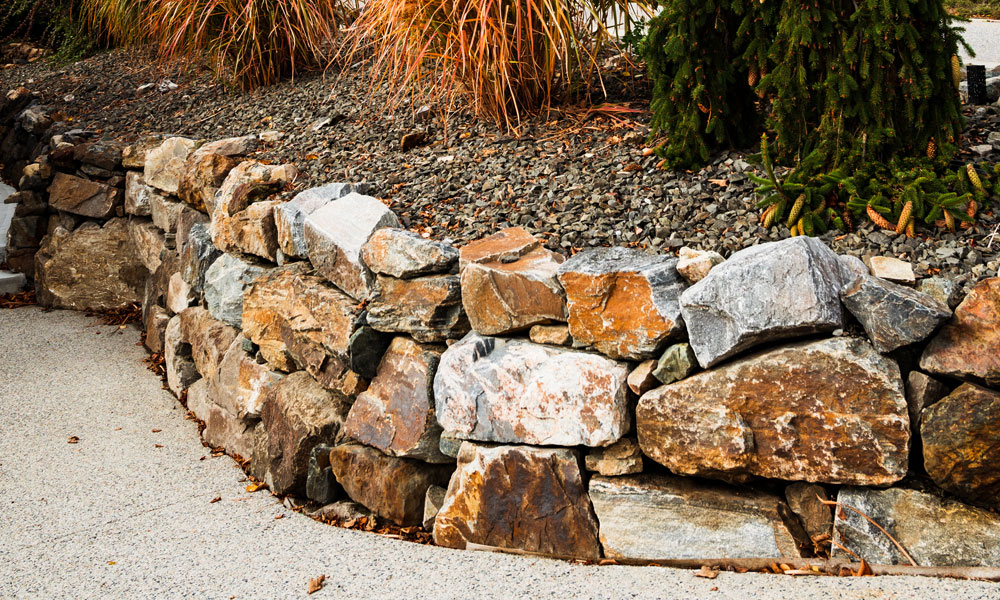
Flooding is one of the most destructive natural events that can impact residential and commercial properties. Heavy rains, overflowing rivers, and poor drainage can lead to significant water damage, threatening both structures and landscaping. A flood retaining wall provides an effective solution, helping to manage water flow, prevent erosion, and safeguard properties from the devastating effects of floods.
Understanding Flood Retaining Walls
A flood retaining wall is a structural barrier designed to hold back or redirect water, preventing it from entering critical areas of a property. These walls are typically constructed using durable materials such as reinforced concrete, masonry, or treated timber, ensuring they withstand the pressures exerted by water during heavy storms. Beyond their functional role, flood retaining walls can also enhance the aesthetics of a landscape, blending protective measures with appealing designs.
Unlike standard garden or decorative walls, flood retaining walls are engineered with specific considerations for water pressure, soil type, and topography. Proper design ensures that the wall can resist both hydrostatic and lateral forces, reducing the risk of collapse or seepage during flooding events. By incorporating features such as drainage channels, weep holes, and graded slopes, these walls can manage water efficiently while maintaining structural integrity.
Property owners often underestimate the impact of uncontrolled water flow. Even minor flooding can erode soil, damage foundations, and lead to costly repairs. Flood retaining walls serve as a proactive measure, mitigating these risks and providing long-term protection against unpredictable weather conditions.
Benefits of Installing a Flood Retaining Wall
Flood retaining walls offer numerous advantages for property protection and landscape management. First and foremost, they act as a physical barrier that prevents floodwater from reaching homes, gardens, and commercial structures. This reduces the risk of water damage to foundations, flooring, and electrical systems, helping property owners avoid expensive repairs and insurance claims.
In addition to flood prevention, retaining walls help manage soil erosion. Heavy rainfall can wash away soil, destabilizing slopes and affecting landscaping features. Flood retaining walls hold back soil, maintaining the integrity of slopes and preserving gardens, lawns, and driveways. This function is particularly valuable in areas prone to sudden or seasonal flooding.
Flood retaining walls can also improve property value. Homes and businesses equipped with effective flood management solutions are more attractive to buyers, demonstrating foresight and long-term care. A well-designed wall can integrate seamlessly with landscaping, adding a visual element while serving a critical protective function.
Another advantage is flexibility. Flood retaining walls can be customized to fit various terrains, property sizes, and flood risks. Whether it’s a low wall for minor water diversion or a taller, reinforced structure for high-risk areas, these walls can be designed to meet specific needs. Combining engineering expertise with aesthetic considerations ensures that protection does not compromise the appearance of a property.
Choosing the Right Flood Retaining Wall for Your Property
Selecting the appropriate flood retaining wall requires careful planning and professional guidance. Factors such as soil type, property slope, drainage patterns, and expected water levels must all be considered to ensure effective performance. Consulting with engineers or contractors who specialize in flood management is essential for developing a wall that is both functional and durable.
Material selection plays a crucial role. Reinforced concrete walls are ideal for high-pressure situations, offering strength and longevity. Masonry walls provide a classic look with substantial structural support, while treated timber can be used for smaller-scale projects or when a natural aesthetic is desired. Each material has unique properties, so understanding the advantages and limitations is critical for achieving the desired results.
Design considerations also include drainage solutions. Properly installed weep holes, perforated pipes, and sloped grading help prevent water buildup behind the wall, reducing pressure and extending the wall’s lifespan. Additionally, landscaping can complement the wall, incorporating plants, rocks, and terraces that enhance both function and appearance.
Professional installation is essential. Incorrect construction can lead to wall failure, water seepage, or soil instability. Experienced contractors ensure that foundations are secure, materials are correctly installed, and the wall meets all local building codes and regulations. Investing in a professionally designed flood retaining wall provides peace of mind, knowing that the property is protected against unpredictable water events.
Long-Term Advantages of Flood Retaining Walls
Beyond immediate flood protection, these walls offer long-term benefits for property management and maintenance. By controlling water flow and preventing soil erosion, flood retaining walls reduce landscaping upkeep, protect driveways and walkways, and maintain overall property stability. Homeowners and business owners can enjoy greater control over their outdoor spaces, even during heavy rainfall.
A well-constructed flood retaining wall also supports sustainable practices. By managing water effectively, it minimizes the risk of runoff affecting neighboring properties or contributing to local drainage issues. This proactive approach demonstrates responsible property management and helps preserve the surrounding environment.
In addition, flood retaining walls can be designed with future modifications in mind. Many walls allow for extensions, reinforcement, or integration with other flood mitigation measures such as drainage channels or water diversion systems. This adaptability ensures that properties remain resilient as weather patterns change and flood risks evolve over time.
Flood retaining walls are an essential investment for any property susceptible to flooding. They provide a reliable barrier against water, reduce soil erosion, and enhance property value while integrating seamlessly with landscaping. By working with professionals to design and install a wall suited to specific property conditions, homeowners and businesses can protect their assets, minimize risk, and enjoy greater peace of mind during storms and heavy rains.