
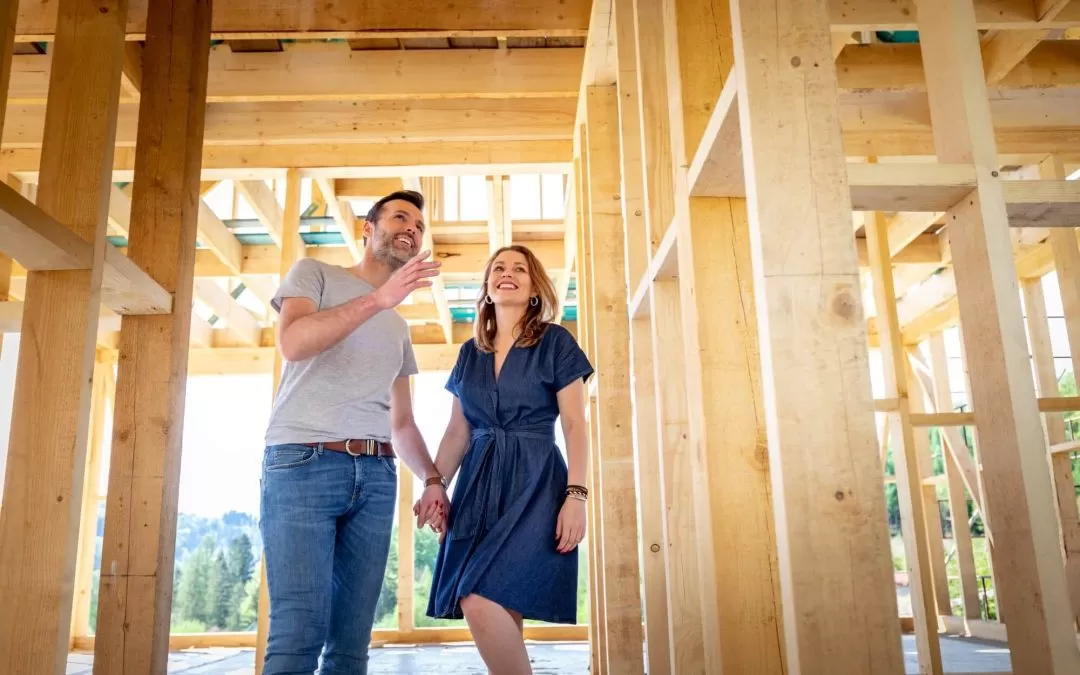
There comes a time when the perfect block meets the imperfect dwelling. Perhaps you’ve found the ideal location, close to the schools and amenities you favour, but the existing house is simply past its prime. It might be structurally unsound, riddled with maintenance issues, or simply unable to meet the needs of a modern family. In these situations, attempting a costly, compromise-laden renovation often pales in comparison to the freedom offered by a knock down and rebuild strategy.
This approach allows you to retain your highly valued land and location while gaining a brand-new, purpose-built home designed exactly for your lifestyle. It’s a smart financial and practical decision that many homeowners are realising is the best way forward. But where do you start, and what exactly does the whole process entail?
Why consider the knock down and rebuild option?
For many homeowners, the thought of leaving a cherished neighbourhood simply because the house is dated is heartbreaking. The value of the land often far outweighs the value of the structure sitting upon it. By choosing to knock down and rebuild, you are essentially investing in the land’s future potential without the stress, delays, and hidden costs that plague major renovations.
The key benefits of choosing this path
The decision to undertake a knock down and rebuild project offers several compelling advantages over traditional renovation or purchasing an established home elsewhere:
- Design Freedom: You aren’t restricted by existing walls, foundations, or rooflines. You can design a home that perfectly suits your block, maximising natural light and optimising space.
- Minimise Unexpected Costs: Renovation often uncovers expensive, hidden issues like asbestos or faulty plumbing. With a new build, you minimise these surprises.
- Energy Efficiency: New homes can incorporate the latest insulation, passive solar design, and modern materials, leading to lower utility bills and improved comfort.
- Modern Standards: Your new home will comply with current building codes, engineering requirements, and local council regulations from day one, ensuring long-term structural integrity and peace of mind.
Understanding the knock down and rebuild process
While the concept is straightforward, the process itself involves several key stages, each requiring expert handling. Navigating approvals, demolition, and construction requires careful planning and coordination.
Stage 1: feasibility and design
The first critical step in any successful knock down and rebuild journey is the site assessment. Your chosen builder will analyse the block, checking for things like slope, soil type, sewer lines, and any restrictive covenants. This information is crucial for designing a home that fits flawlessly. Once the feasibility is confirmed, you move into the design phase, where your vision is translated into architectural drawings.
Stage 2: demolition and council approvals
Demolition is more complex than simply tearing down walls. It requires specialist tradies to safely remove the structure, often managing hazardous materials like asbestos, and ensuring all services (gas, water, electricity) are properly disconnected. Simultaneously, your builder manages the necessary development and building licence applications with the local council. Having professionals manage this detailed paperwork ensures the programme runs smoothly and avoids costly delays.
Stage 3: construction and handover
Once approvals are secured and the site is clear, construction begins. This is where you see your vision materialise, from the slab pour to the roof installation and the final fit-out. Throughout this stage, quality control is paramount. After the final inspections and checks are complete, you receive the keys to your brand-new home. The excitement of stepping into a custom-built space that is perfectly clean and faultless is incomparable.
What does a knock down and rebuild cost?
It’s a common misconception that undertaking a knock down and rebuild is automatically more expensive than a major renovation. Often, the opposite is true. While you must factor in the demolition costs (which typically range from $20,000 to $50,000 depending on the size and complexity of the existing structure), the predictability of a new build contract usually provides better value and financial certainty.
With renovation, costs spiral rapidly due to unforeseen structural issues or the need to upgrade old services. When you choose to knock down and rebuild, you receive a fixed-price contract for the construction, allowing you to budget effectively for the entire project, including fittings and landscaping. Are you truly saving money if a renovation project drags on for years and blows your budget by 40 per cent?
Choosing the right partner for your project
The success of your new home hinges entirely on the expertise of your builder. This type of project requires specialised knowledge, particularly around managing site constraints and council requirements. When tackling a major project, you need reliable partners. Finding the right custom home builders perth is essential to ensure seamless coordination between demolition, design, and construction teams.
Look for builders who specialise in the knock down and rebuild model, as they will have established relationships with demolition contractors and a deep understanding of local planning laws. A specialist builder will help you optimise your design for your specific block, turning what could be a complex administrative headache into an exciting journey toward your dream home. Trusting an experienced team ensures that the entire knock down and rebuild process is managed efficiently, delivering a high-quality result on time and budget.
Frequently asked questions
How long does the whole knock down and rebuild process take?
Typically, the entire process, from initial consultation and design through to final handover, takes between 12 to 18 months. This estimate includes 3 to 6 months for design, approvals, and demolition, followed by 9 to 12 months for construction, depending on the size and complexity of the new home.
Do I need to organise the demolition myself?
While you can organise demolition independently, most specialised builders offer the knock down and rebuild service as a complete package. This is highly recommended, as the builder will coordinate the demolition schedule with the construction timeline, ensuring necessary documentation and safety compliance are handled correctly.
Can I finance a knock down and rebuild project?
Yes, financing is available through construction loans. These loans are structured to release funds in stages as construction milestones are met. You will typically need to demonstrate ownership of the land and have detailed building contracts and plans.
What if my land has difficult access or a steep slope?
Difficult sites require specialist design and engineering. While they may incur additional costs for site works and foundation requirements, an experienced builder can design a custom home that expertly navigates challenging slopes and access issues, often turning constraints into unique architectural features.
Is it possible to retain some elements of the existing house?
The definition of a true knock down and rebuild means the existing structure is fully removed. Attempting to retain significant elements (like one wall or the main frame) usually classes the project as a major renovation, which changes the scope, council requirements, and potential cost benefits of starting fresh.