
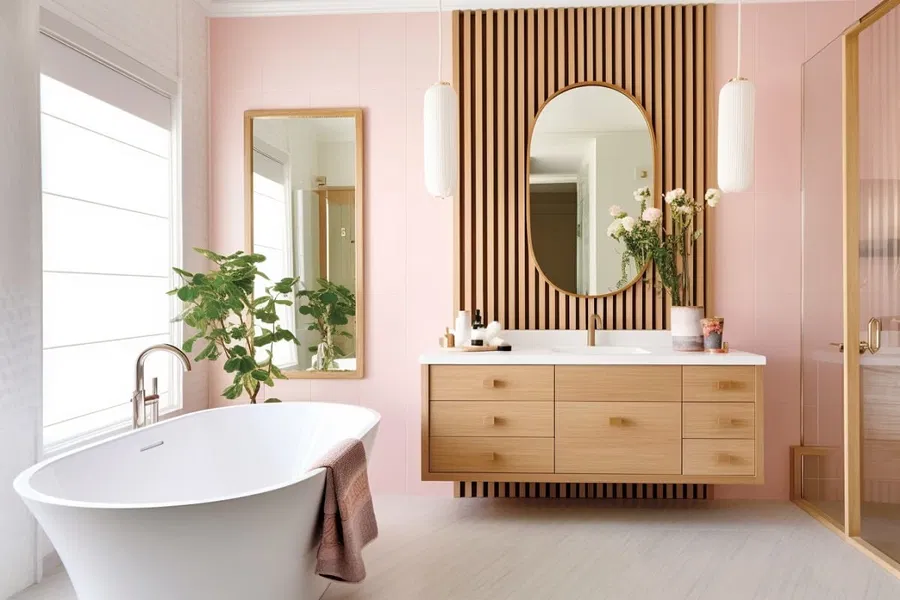
Designing a bathroom that feels both stylish and cohesive comes down to balance — every detail, from the vanity to the faucets, needs to complement one another. The right combination of materials, finishes, and proportions can transform an ordinary space into one that feels luxurious, functional, and perfectly put together.
If you’re planning a remodel or updating your current setup, understanding how to match your bathroom vanity with fixtures is key. This guide walks you through the design principles, style coordination, and color harmonies that help you create a unified and visually pleasing bathroom.
1. Start with the Vanity as Your Anchor
Your vanity is often the centerpiece of your bathroom design. It defines the room’s tone, color palette, and overall aesthetic. Before choosing fixtures like faucets, mirrors, and lighting, decide what kind of vanity works best for your space.
Ask yourself:
- Do you prefer a modern floating vanity or a traditional freestanding one?
- Are you going for natural wood tones, painted finishes, or sleek lacquered surfaces?
- What size and storage configuration best fit your layout?
A well-chosen vanity serves as your design foundation — all other fixtures will build around its material, color, and texture.
2. Coordinate Finishes and Materials
Once you’ve selected your vanity, match your fixtures by focusing on finish harmony. You don’t necessarily need everything to be identical, but the materials should work together cohesively.
2.1 Metal Finishes
Your faucet, drawer handles, showerhead, and towel racks should share a common tone or complement each other. Popular combinations include:
- Matte black fixtures with light wood or white vanities for a modern, minimalist look.
- Brushed gold or brass paired with darker tones for warmth and elegance.
- Chrome or nickel finishes with sleek contemporary vanities for a clean, timeless aesthetic.
2.2 Countertop Materials
Quartz, marble, and solid surfaces can all set the mood. If your vanity has a busy countertop pattern, choose simpler, streamlined fixtures to maintain balance. Conversely, plain countertops can be enhanced with bold, sculptural faucets.
3. Choose Complementary Colors
Color plays a huge role in creating visual flow. Aim for a palette where the vanity and fixtures enhance — rather than compete with — each other.
- Warm tones: A walnut vanity pairs beautifully with gold or bronze hardware.
- Cool tones: A gray or navy vanity looks stunning with chrome or matte black accents.
- Neutral tones: White or beige vanities provide flexibility, letting you switch fixture styles easily over time.
Remember, lighting also affects how finishes appear — always view samples in your actual bathroom lighting before finalizing.
4. Consider Proportion and Balance
Even the best color coordination can fall flat if the proportions don’t align. The size of your vanity and sink should complement the scale of your fixtures and accessories.
- A large double-sink vanity deserves equally bold fixtures, such as wide-spout faucets or oversized mirrors.
- For a compact vanity, choose slimline fixtures and minimalist designs to avoid visual clutter.
- Keep symmetry in mind — evenly spaced lighting, centered mirrors, and balanced hardware create harmony.
Balance is what separates a functional bathroom from a thoughtfully designed one.
5. Match the Style to Your Theme
Your design choices should tell a cohesive story. Mixing too many styles can make the room feel disjointed.
5.1 Modern Bathrooms
Go for clean lines, geometric shapes, and minimalistic finishes like matte black or polished chrome.
5.2 Classic Bathrooms
Choose elegant fixtures — think brushed nickel faucets, marble countertops, and traditional vanities with ornate details.
5.3 Rustic or Natural Bathrooms
Pair wood-grain vanities with earthy bronze or matte brass fixtures. Add textured materials like stone or ceramic tiles for warmth.
Maintaining consistency in style ensures every element complements the overall theme seamlessly.
6. Don’t Forget About Lighting
Lighting fixtures play a crucial role in tying your vanity and other hardware together. Choose lighting with finishes that echo your faucet or mirror frame.
For example:
- Black fixtures + black-framed sconces create a bold statement.
- Brass faucets + warm-toned lighting add softness and luxury.
- Chrome accents + white LED lights enhance brightness and modernity.
Good lighting not only enhances aesthetics but also improves functionality — especially around mirrors.
7. Mix, But Don’t Clash
It’s perfectly fine to mix finishes — for example, pairing matte black with brushed nickel or gold with white porcelain. The trick is moderation. Keep one finish dominant and use the secondary one as an accent.
For instance, you might use matte black for faucets and handles but introduce brushed gold in lighting or mirror frames for visual interest. The result feels dynamic yet coordinated.
8. Focus on Practicality
Beyond looks, make sure your choices are functional and easy to maintain. Choose fixtures with durable coatings that resist water stains and corrosion. Opt for vanities made from moisture-resistant materials like solid wood, plywood, or MDF with a protective finish.
Practical considerations such as easy cleaning, soft-close drawers, and accessible plumbing can greatly enhance everyday convenience.
9. Visit a Showroom for Inspiration
If you’re unsure about combinations, visiting a showroom is the best way to explore ideas firsthand. Seeing displays in person allows you to observe how finishes, colors, and proportions interact under proper lighting.
A trusted retailer like Evos Boutiques vanité showcases a curated selection of vanities and fixtures designed to complement each other beautifully. Their team helps clients pair materials, metals, and styles that achieve both aesthetic harmony and long-term durability.
10. Bring It All Together
Matching vanities with fixtures is about creating unity through thoughtful design. Start with your focal point — the vanity — and let the other elements enhance its character. Keep color, scale, and texture consistent, and always test combinations before committing.
When everything aligns — from the faucet’s finish to the drawer handle’s tone — the result is a space that feels balanced, polished, and uniquely yours.
Conclusion
Designing your bathroom should be an enjoyable process, not a stressful one. By focusing on cohesion, proportion, and quality, you can create a bathroom that looks professionally designed and feels comfortable to use every day.
The perfect pairing of vanity and fixtures transforms a simple utility space into a relaxing sanctuary. With the right planning and inspiration from quality design sources, your bathroom can strike the ideal balance between function and elegance — a reflection of both your taste and lifestyle.