
Most Littleton homeowners think of heating and cooling as two separate machines. The furnace sits in the basement or a utility closet, and the condenser hums on a concrete pad beside the house. They get serviced in different seasons, break down at different times, and are often replaced years apart. In reality, they are two halves of one split system, and they lean on each other far more than most people realize.
That shared life shows up in small details. The cooling coil rests directly on top of the furnace. The furnace fan pushes every bit of summer air through the house. A single thermostat gives orders to both. When one side ages, gets swapped out, or drifts out of adjustment, the other side feels it. A house sitting more than 5,000 feet above sea level tends to expose those weak spots sooner.
Households around Littleton that want both halves looked at as a working pair can call on Air Of The Rockies. This local heating and cooling team sends certified technicians to install, replace and repair AC and furnace split systems, and it keeps its pricing friendly to ordinary household budgets.
Four Handshakes Hidden Behind the Walls
A split system works because four connection points pass information and energy back and forth. If any one of them is mismatched, the whole setup underperforms, even when both machines look healthy on their own.
- The indoor coil. This is the A-shaped coil sitting on the furnace’s supply side. It has to match the outdoor condenser in capacity and refrigerant type. Efficiency ratings printed on the box only hold true for tested pairings, so a new condenser bolted to an old coil rarely delivers its advertised numbers.
- The blower. Your furnace fan does double duty. In summer it moves air across the cooling coil, and the AC depends on a steady volume of it. Too little airflow can freeze the coil into a block of ice on a hot afternoon.
- The line set. Two copper tubes carry refrigerant between inside and outside. Older ones may be the wrong size for newer equipment or may hold leftover oil from a previous refrigerant.
- The controls. The thermostat and the furnace circuit board coordinate everything. Variable speed condensers sometimes need communicating controls that an older furnace simply cannot speak.
What Thin Mountain Air Quietly Changes
Altitude affects both halves in different ways. A gas furnace burns fuel with the oxygen available, and at Front Range elevations there is less of it in every breath of air. Installers typically adjust gas pressure or swap burner orifices so the flame stays clean and the heat exchanger is not stressed. A furnace set up with sea level factory settings can run hot, soot up, or wear out early.
The cooling side has its own challenge. Thinner air carries less heat per cubic foot, so airflow and coil sizing matter more than they would in Dallas or Atlanta. A system that looks right on paper can feel undersized on a July afternoon if the blower speed was never checked.
Then there is the famous Colorado temperature swing. Spring and fall days can start near freezing and climb into the seventies by mid afternoon, which means the furnace and AC might both run within the same twenty four hours. Every one of those switchovers puts wear on the shared blower and the thermostat relay. The dry air adds another layer, since many homes carry a humidifier mounted right on the furnace, one more component tied into the same airflow.
Your Yard Has Opinions Too
The outdoor half lives a rougher life than most people give it credit for.
Cottonwood trees along the South Platte and Bear Creek drop drifts of white fluff every late spring, and condenser fins catch it like a sieve. A coated coil struggles to shed heat right when cooling season begins. Summer hail can flatten those same fins in a single storm. Winter snow drifts pile against units tucked into corners, and shrubs planted too close choke the airflow year round.
Look for these warning signs outside:
- A fuzzy gray or white mat across the condenser sides
- Bent or flattened fins after a hailstorm
- Plants, fencing or stored items within about two feet of the unit
- A dryer vent blowing lint directly toward the coil
The One Half or Both Decision
Sooner or later, one half fails first. Whether to replace only that piece or both depends on age, compatibility, and where the industry is headed.
Newer air conditioners have moved to updated refrigerants such as R-454B, and these cannot share a coil designed for the older R-410A. That means an AC replacement usually brings a new indoor coil along with it. Once a technician is already working on top of your furnace, the furnace’s age becomes a fair question.
Replacing both together tends to make sense when:
- The furnace is fifteen to twenty years old or older.
- The existing coil was built for an older refrigerant.
- The furnace blower is single speed and the new condenser wants variable airflow.
- You are considering a cold climate heat pump, which pairs best with a furnace chosen to work alongside it.
Swapping just one half is often reasonable when the furnace is under ten years old, has a variable speed blower, and already sits beneath a coil that matches the new outdoor unit.
Small Habits That Keep the Partnership Healthy
A few simple routines go a long way toward keeping both machines cooperating.
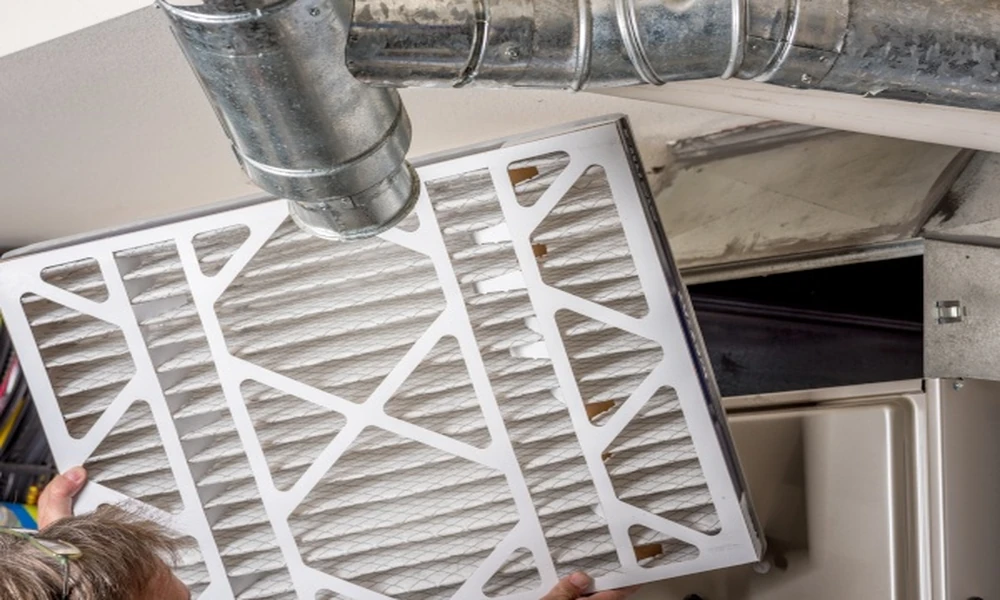
- Change the furnace filter more often during cottonwood season and wildfire smoke days, since that one filter protects the heating and cooling sides alike.
- Rinse the condenser gently with a garden hose from the inside out after the fluff settles, with the power switched off first.
- Book a furnace check before the first hard freeze and an AC check before Memorial Day.
- Watch for ice on the larger copper line, short cycling, a flickering yellow burner flame, or a thermostat that seems to ignore your settings.
Treating the furnace and air conditioner as one system rather than two strangers changes how you maintain them, how you budget for them, and how long they last. In a climate that asks for heat in the morning and cooling by lunch, that partnership is what keeps a Littleton home comfortable in every season.