
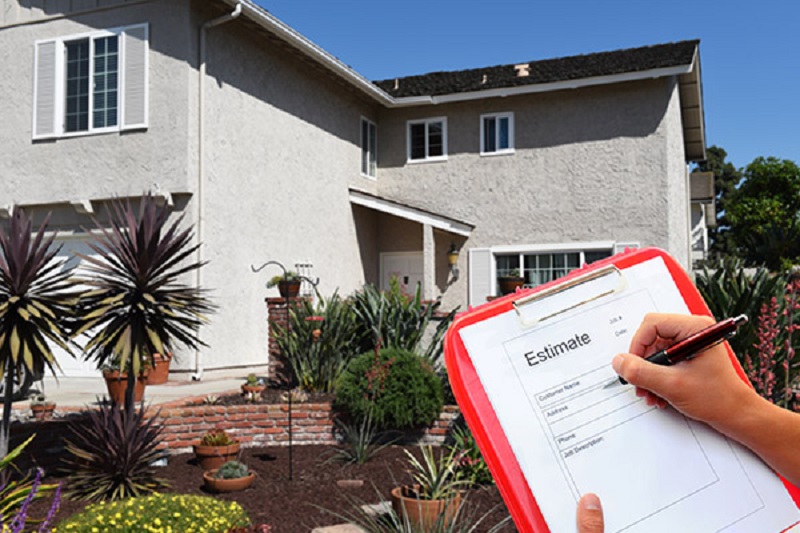
To make sure your job stays within your budget and prevents expensive surprises, you must obtain an accurate roofing estimate. Incorporating roofing estimate tips can help you plan appropriately and give you a clear picture of what to expect financially. Without precision, you run the danger of underestimating costs or encountering unforeseen charges that could cause your roofing project to fail. You may more effectively assess bids and select the best expert for your project if you are aware of the aspects that contractors take into account while creating estimates.
Material Quality and Quantity
The thorough listing of materials is one of the main factors influencing how accurate a roofing estimate is. The kind, brand, and caliber of roofing supplies, including flashing, sealants, underlayment, and shingles, should be specified by contractors. Additionally, they must determine the precise amount needed according on the size and pitch of your roof. A precise measurement prevents shortages or overspending during installation.
Labor Costs and Project Scope
A large amount of roofing costs are labor-related, and they need to be properly estimated. The size and complexity of your roof, the number of workers required, and the anticipated project length are all taken into account in accurate estimates. Weather, working height, and roof accessibility are all variables that may affect labor costs. Make sure the quote from your contractor includes a comprehensive explanation of these aspects. You may prevent misconceptions and make sure you know exactly what labor services are covered by having a comprehensive scope of work that details chores like tear-off, installation, clean-up, and inspections.
Permits, Inspections, and Additional Fees
Many roofing improvements need permits and inspections to meet local building codes. These administrative costs should be included in your roofing quote. Find out if the contractor charges permit fees separately or includes them in the pricing to avoid surprises. Discuss the cost of disposing of old roofing materials and correcting any damage identified during tear-off. An accurate estimate discloses the project’s cost upfront, including these charges.
Warranties and Contingency Plans
A detailed roofing estimate includes material and workmanship guarantees. To protect your investment, a reliable contractor will provide warranty duration and scope. Estimates should account for weather delays and repairs. These are more unpredictable, but good contractors include contingencies in their quotations or explain how extra costs will be met. By knowing these circumstances, you can avoid disagreements and prepare financially for project challenges.
Conclusion
A proper roofing estimate requires careful consideration of material requirements, labor costs, permits, taxes, and warranties. Know what to expect from a thorough estimate to better evaluate contractor bids and avoid surprises. When requesting estimates, ask contractors provide clear breakdowns and explanations. This openness builds confidence and ensures your roofing project runs smoothly and within budget.