
Choosing the right flooring system is a crucial decision that impacts not just the aesthetics of your space, but also its functionality, maintenance, and long term performance. Two popular options in both commercial and residential settings are quality resin flooring and traditional tile. While each has its own strengths, the best choice will depend on your specific environment and usage requirements.
In this article, we compare resin and tile flooring across key categories to help you make an informed decision.
What is Resin Flooring?
Resin flooring is a seamless surface made by mixing liquid resin with a hardener which cures to form a solid, highly durable floor. Common resin systems include epoxy, polyurethane, and methyl methacrylate. These floors are often used in industrial, commercial, and increasingly in modern residential spaces due to their durability and design flexibility.
What is Tile Flooring?
Tile flooring involves the installation of individual ceramic, porcelain, or natural stone tiles using adhesive and grout. Tiles are a long established choice in homes and commercial premises due to their variety of finishes, ease of sourcing, and traditional appearance.
Key Comparison Areas
1. Appearance and Design
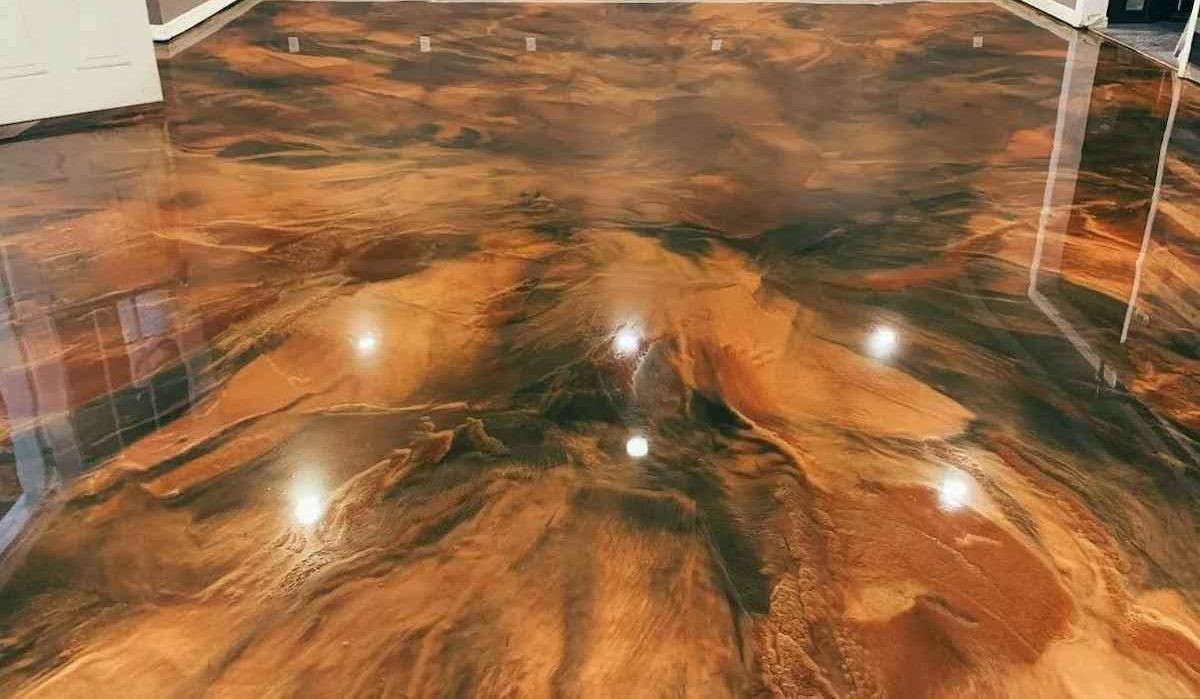
Resin: Offers a smooth, seamless look with endless colour and texture options. You can incorporate effects like marbling, flake finishes, or even branding within the floor. Ideal for modern, minimalist aesthetics.
Tile: Comes in a wide range of patterns, colours, and materials. While offering more traditional and tactile finishes, tile lines and grout joints break the seamless look.
Winner: Depends on style preference—resin for seamless and modern, tile for classic or rustic charm.
2. Durability and Strength
Resin: Extremely tough and resistant to impact, abrasion, and heavy traffic. It is commonly used in warehouses, factories, and commercial kitchens for this reason.
Tile: While durable, tiles can crack under heavy impact and grout can deteriorate over time, especially in high traffic or wet environments.
Winner: Resin
3. Hygiene and Maintenance
Resin: Seamless surface means no joints for dirt or bacteria to collect. It is easy to clean and ideal for hygienic environments such as food preparation areas and hospitals.
Tile: Grout lines can trap dirt and are prone to staining. Regular deep cleaning is often needed to maintain appearance and hygiene.
Winner: Resin
4. Installation Time and Disruption
Resin: Requires professional installation and curing time. Some systems like methyl methacrylate cure quickly, but others may take longer and need surface preparation.
Tile: Can often be installed by skilled tradespeople relatively quickly but involves more steps such as cutting, grouting, and drying.
Winner: Tie—depends on the system chosen and project size.
5. Cost
Resin: Generally more expensive upfront due to material and professional installation requirements. However, its durability can lead to cost savings over time.
Tile: Lower initial material cost and DIY friendly options are available. Long term maintenance and repairs may add to overall cost.
Winner: Tile for short term cost, resin for long term value
6. Slip Resistance
Resin: Can be tailored for high grip with anti slip finishes and aggregates embedded in the surface. Especially useful in wet or oily environments.
Tile: Varies depending on finish. Glossy tiles can become very slippery, especially when wet.
Winner: Resin
Where Each Flooring Type Works Best
Resin Flooring:
- Industrial units and factories
- Commercial kitchens and food prep areas
- Healthcare and cleanroom environments
- Modern retail and office spaces
- Residential homes with a minimalist or industrial aesthetic
Tile Flooring:
- Bathrooms and kitchens in residential homes
- Traditional or rustic interior designs
- Light commercial areas such as cafes or boutiques
Final Thoughts
Both resin and tile flooring offer unique benefits. Resin floors stand out for their seamless finish, hygiene, and superior durability, making them a go to for heavy duty commercial and industrial applications. Tile floors bring timeless style and lower upfront costs, making them ideal for homes and light commercial use.
If you prioritise hygiene, modern aesthetics, and long term performance, resin flooring may be the better investment. On the other hand, if you are after a more traditional look and are working to a tighter budget, tile flooring remains a strong option.
Still unsure? Speak to a professional flooring installer who can assess your space and provide tailored advice based on your specific needs.