
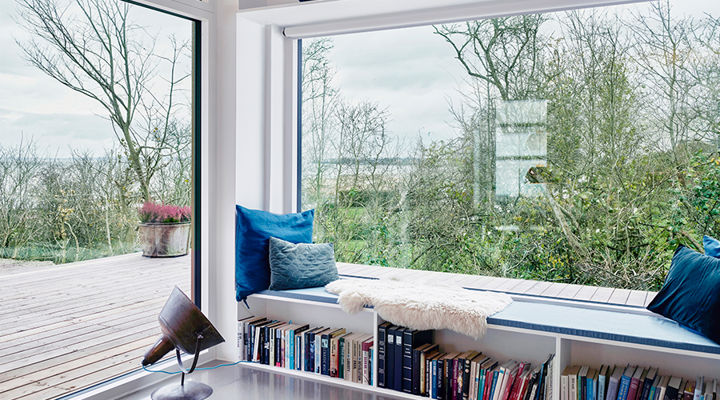
In the world of architecture and home design, windows do more than just let in light; they frame our view of the world and define a building’s character. While many window types are known for their ability to open and close, the fastkarm vindu—also known as a picture window—serves a unique and powerful purpose. It is a non-operable window designed to maximize natural light and offer unobstructed views, making it a cornerstone of modern and minimalist design.
These windows are celebrated for their simplicity and efficiency. Because they don’t open, their construction is streamlined, leading to superior energy performance and a clean, sleek appearance. This article will explore the many facets of the fixed frame window, from its core benefits and design versatility to its practical applications in residential and commercial spaces. We’ll examine how this seemingly simple window can transform a room, connect indoor and outdoor environments, and enhance a building’s overall aesthetic.
Understanding the Fixed Frame Window
A fixed frame window (fastkarm vindu) is exactly what its name implies: a window with a sash that is “fixed” or stationary within its frame. Unlike casement, double-hung, or sliding windows, it cannot be opened or closed. Its primary function is not ventilation but to provide a seamless visual connection to the outdoors and allow the maximum amount of sunlight to enter a space.
The design is elegantly simple, typically consisting of a large pane of glass set into a minimal frame. This simplicity is its greatest strength, as it removes the mechanical components needed for operation, such as hinges, cranks, or sliding tracks. The result is a clean, unobtrusive look that puts the focus squarely on the view beyond.
Key Characteristics:
- Non-Operable: The window panel is sealed shut and cannot be opened.
- Large Glass Surface: Often designed to be larger than operable windows to create expansive views.
- Minimalist Frame: The frame is typically slim to maximize the glass area and enhance the “picture” effect.
- Superior Energy Efficiency: The airtight seal prevents air leakage, making it one of the most energy-efficient window types available.
The Major Benefits of Installing Fixed Frame Windows
Choosing a fixed frame window comes with a host of advantages that make it a popular choice for architects, builders, and homeowners alike. These benefits span aesthetics, performance, and even cost.
1. Unobstructed Views and Abundant Natural Light
This is the most celebrated benefit. A fixed frame window acts like a living piece of art on your wall, framing landscapes, cityscapes, or garden views without any interruption from mullions, grilles, or meeting rails. This creates a strong connection between the interior and exterior, making spaces feel larger, more open, and brighter. In areas where a beautiful view is a key feature of the property, a picture window is an essential design element.
2. Exceptional Energy Efficiency
Because a fixed frame window does not open, it creates a perfectly airtight seal. This eliminates the drafts and air leakage commonly associated with operable windows.
- Reduced Thermal Transfer: The tight seal prevents conditioned air from escaping in the summer and cold air from entering in the winter.
- Lower Energy Bills: By improving insulation, these windows help maintain a stable indoor temperature, reducing the workload on your heating and cooling systems and leading to lower utility costs.
- Advanced Glazing Options: They can be easily fitted with double or triple-pane glass, low-emissivity (Low-E) coatings, and argon gas fills to further boost thermal performance.
3. Enhanced Security
The simple, non-operable design of a fixed frame window makes it inherently more secure than windows that can be opened. There are no latches to fail or sashes that can be forced open. As a single, sealed unit, it presents a formidable barrier to potential intruders, offering greater peace of mind, especially for ground-floor installations.
4. Versatility in Design and Application
Fixed frame windows are incredibly versatile. They can be used as large, standalone statement pieces or combined with operable windows to create custom configurations.
- Statement Windows: A large picture window in a living room or master bedroom can serve as a stunning focal point.
- Window Walls: Multiple fixed units can be joined together to create an entire wall of glass, blurring the lines between indoors and out.
- Transom and Sidelight Windows: Smaller fixed windows can be placed above doors (transoms) or alongside them (sidelights) to bring light into entryways.
- Architectural Shapes: They can be manufactured in various shapes, including circles, arches, triangles, and other geometric forms, allowing for creative architectural expression.
Popular Applications for Fixed Frame Windows
The unique qualities of the fixed frame window make it suitable for a wide range of applications in both new construction and renovation projects.
In the Living Room
The living room is the most common place to find a large fixed frame window. It’s the perfect spot to showcase a beautiful backyard, a mountain range, or a waterfront view. It bathes the central gathering space in natural light, creating a warm and inviting atmosphere.
In High or Hard-to-Reach Places
Fixed windows are ideal for locations where opening a window would be impractical or unsafe. This includes high on a wall in a room with a vaulted ceiling, in a stairwell, or above a bathtub. In these spots, their purpose is purely to admit light and add architectural interest without the need for access.
Combined with Operable Windows
For homeowners who want both expansive views and ventilation, a popular solution is to flank a large central fixed frame window with two smaller, operable windows, such as casements. This combination offers the best of both worlds: a wide, clear view from the picture window and the option for a cross-breeze from the side windows.
Commercial Buildings
In office buildings, retail stores, and restaurants, fixed frame windows are used extensively. They create bright, welcoming interiors for employees and customers and can be used for storefronts to display products and draw people in. Their energy efficiency also helps building owners manage operating costs.
Choosing the Right Frame Material
The frame of a fixed window plays a crucial role in its appearance, durability, and thermal performance. The most common materials include vinyl, wood, aluminum, and fiberglass.
- Vinyl: A cost-effective, low-maintenance, and energy-efficient option. Vinyl frames are a popular choice for many homeowners due to their durability and excellent insulating properties.
- Wood: Offers a classic, warm aesthetic that can be painted or stained to match any interior design. Wood is a natural insulator but requires more maintenance than other materials to protect it from moisture and pests.
- Aluminum: Known for its strength and slim profile, aluminum is often used in modern and commercial designs where a minimalist look is desired. Standard aluminum is not a good insulator, so look for options with thermal breaks.
- Fiberglass: Combines strength, durability, and superior energy efficiency. Fiberglass frames can withstand extreme temperatures without warping or cracking, and their low-maintenance finish makes them a premium choice.
Frequently Asked Questions (FAQs)
Q1: How much does a fixed frame window cost?
The cost depends on several factors, including size, frame material, and glass options (e.g., double-pane, Low-E coating). Generally, a fixed frame window is more affordable than an operable window of the same size and quality because it has fewer moving parts.
Q2: Can a fixed frame window be used in a bedroom?
Yes, but it cannot be the only window in the room. Building codes require bedrooms to have at least one point of egress (a window or door) for emergency escape. Therefore, a fixed window in a bedroom must be paired with an operable window or a door that meets egress requirements.
Q3: Are fixed frame windows difficult to clean?
Cleaning the interior pane is as easy as cleaning any other window. Cleaning the exterior can be a challenge, especially on upper floors. For second-story or higher installations, professional window cleaning services are often the safest and most effective solution.
Q4: Can I replace an old operable window with a fixed frame window?
Absolutely. This is a common upgrade for homeowners who want to improve energy efficiency and enjoy a better view in a room where ventilation is not a primary concern. A professional installer can easily replace an existing window with a new fixed unit.
Final Words
The fixed frame window is a testament to the power of simplicity in design. By stripping away mechanical parts, it excels in its core functions: providing breathtaking views, flooding interiors with natural light, and delivering outstanding energy performance. Its versatility allows it to be a massive statement piece, a small architectural accent, or part of a functional window combination.
Whether you are designing a new home or renovating an existing one, consider where a fixed frame window could enhance your space. By prioritizing light and view over ventilation in certain areas, you can create rooms that feel more connected to the world outside, more spacious, and more beautiful. It is a timeless choice that blends performance and aesthetics in one elegant package.