
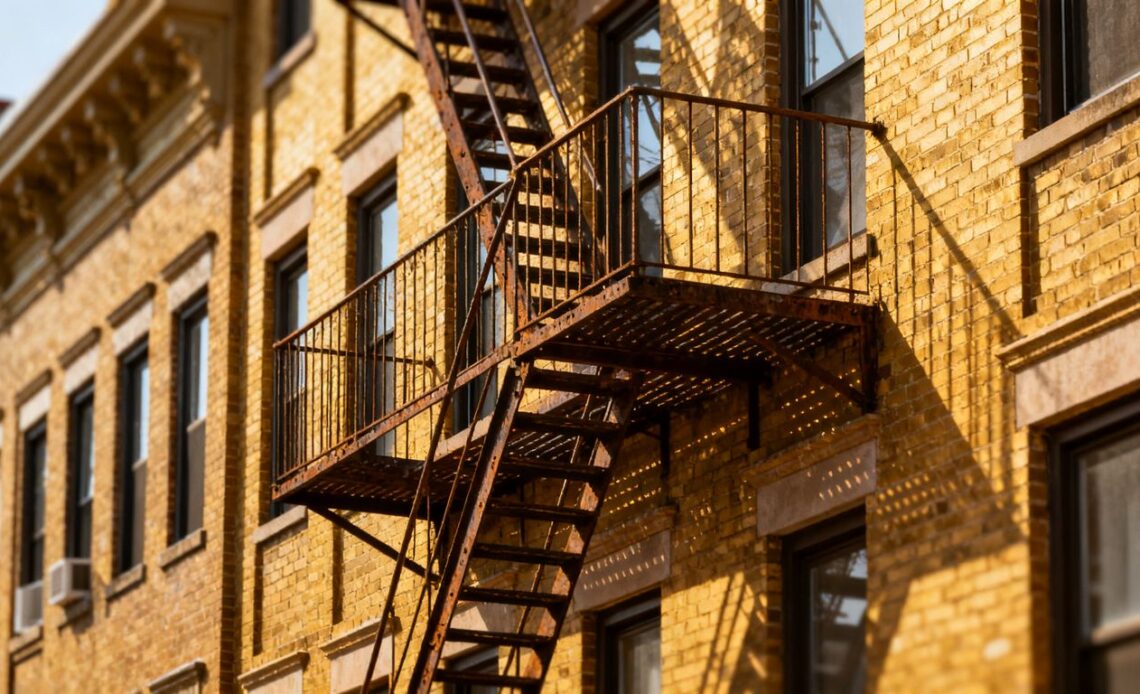
Many renters remain unaware of the historical materials used in older construction projects. Understanding the presence of these substances is essential for long-term respiratory safety in vintage buildings. Recognizing where these materials exist helps residents make informed decisions about their living environment.
Historical use of asbestos in construction materials
Asbestos gained widespread popularity in the 20th century because of its heat resistance and durability. Construction firms often incorporated the mineral into various secondary materials to improve structural strength. You can find detailed guidance on managing such materials through the Illinois EPA documentation, which outlines how these substances were integrated into residential homes before the late 1980s.
Common areas where asbestos fibers remain hidden
In many cases, tenants might live alongside asbestos without awareness because the fibers are encapsulated. If these materials remain in good condition, they typically pose no immediate health threat to the occupants. Common locations where these materials occur include:
- Fireproofing spray applied to steel support beams during initial construction phases.
- Textured ceiling and wall coatings that provide a decorative surface finish.
- Vinyl floor tiles and the adhesive mastic used for installation.
- Thermal insulation wrapped around aging hot water pipes or heating ducts.
After identifying these potential locations, tenants should monitor the condition of their units for any signs of wear or degradation that might expose them to these fibers over time.
Why aging infrastructure increases risks for tenants
Infrastructure in older buildings often faces significant wear as pipes corrode or ceiling tiles pull away from their mounts. The cumulative impact of decades of minor building shifts can cause previously stable materials to deteriorate. When aging infrastructure undergoes standard wear, it increases the likelihood of asbestos being disturbed without proper oversight.
Identifying potential warning signs of damaged materials
Identifying when building components become a hazard requires a keen eye for physical changes in your home. While the appearance of a material does not confirm the presence of asbestos, structural damage often warrants immediate scrutiny. Renters should remain vigilant about the conditions of their walls, floors, and utility enclosures.
Visual cues for friable asbestos surfaces
Friable materials represent the highest level of risk because they can easily release dust when touched or disturbed. Observers might notice crumbling drywall, shedding insulation, or loose fibers protruding from ceiling voids. These materials are potentially hazardous when left exposed and damaged, making it crucial to manage them with care.
Assessing risk during minor or major renovations
Renovations often create unintentional exposure pathways that disturb hidden mineral deposits within walls or floors. Property managers are expected to adhere to specific NESHAP standards when planning any disruptive work on older properties. These regulations help prevent the accidental release of airborne hazards during common property upgrades.
How to distinguish between construction dust and hazardous materials
Construction dust from modern drywall or sawdust usually settles quickly and lacks the fibrous texture found in legacy insulation. Asbestos-containing dust often appears as fine, persistent gray or white powder that clings to surfaces despite cleaning efforts. When in doubt regarding the origin of suspicious dust, residents should assume a caution-first approach until they have professional confirmation.
Understanding the health risks of chronic exposure
Health problems resulting from asbestos are rarely immediate, as respiratory damage develops over long periods. Awareness of the underlying biological risks is key for anyone concerned about their long-term wellness. Persistent interaction with these fibers can lead to serious diagnostic outcomes if proper safety protocols are ignored.
The biological mechanism of asbestos-related lung cancer
When airborne fibers are inhaled, they can lodge deep within the lung tissue. This physical irritation triggers inflammatory processes and scarring, which over time can cause cellular mutations leading to severe oncological conditions. The body finds these microscopic needles impossible to break down or remove, leading to localized damage.
Latency periods of asbestos-related diseases
One of the most challenging aspects of asbestos exposure involves the extremely long latency period. Symptoms often emerge only decades after the initial inhalation events occurred. Consequently, many patients do not associate their current health conditions with residential environments they occupied many years ago.
Differentiating between mesothelioma and lung cancer risks
Mesothelioma specifically targets the lining of the lungs and abdomen, making it distinct from traditional lung cancer. While both results stem from fiber exposure, the progression and primary sites of the disease differ significantly. Education on these asbestos in apartment rentals health profiles helps renters advocate for their respiratory safety.
Navigating tenant rights and landlord obligations
Navigating the legal reality of older rentals often feels overwhelming for new occupants. Tenants maintain specific rights regarding the safety of their housing and the transparency of property management practices. Understanding what is required of property owners serves as a baseline for effective tenant advocacy.
Legal requirements for asbestos disclosure in rental contracts
Many jurisdictions require landlords to provide a history of known asbestos-containing materials upon property transfer or lease signing. While disclosure is meant to ensure transparency, residents should investigate the specific requirements for their area to confirm compliance. If a landlord fails to disclose known hazards, the tenant may find it necessary to consult legal resources to understand their rights in instances of asbestos lawsuit.
Responsibilities of property managers during building maintenance
Managers have a duty to keep building systems functioning without creating unnecessary environmental burdens for residents. Effective maintenance programs often rely on professional AHERA accreditation to ensure contractors are trained to handle hazardous disturbances correctly. Regular inspections are expected to keep the environment stable for all building occupants.
The importance of documenting communications with property ownership
Written correspondence provides a verifiable trail of concerns raised regarding apartment safety. When a tenant notices structural damage, detailing these findings in emails or formal letters is a standard practice for maintaining an accurate record. This documentation can prove vital if ownership fails to address confirmed hazards in a timely manner.
Steps to take if you suspect hazardous disturbance
Discovering a potential hazard requires a systematic response to protect oneself and other building occupants. Swift action often minimizes the chances of significant fiber release within the living area. Following a logical sequence of reporting and isolation is the standard safety protocol.
Professional testing requirements for verifying asbestos presence
Visual identification is never a substitute for laboratory analysis when verifying material safety. Professional inspectors are required to take specific samples for microscopic examination to confirm fiber content. Residents should rely on these certified results rather than subjective observation.
Immediate precautions to minimize fiber inhalation
When materials appear disturbed, immediate steps involve sealing the area to prevent fiber spread throughout the apartment. Closing vents and blocking door gaps with plastic sheeting can temporarily contain the dust. Avoiding the use of high-powered vacuums is critical, as they can redistribute microscopic fibers into the room’s air more effectively than sweeping.
Reporting concerns to local health or environmental agencies
If property management refuses or fails to address legitimate safety risks, contacting local environmental regulators is the next step. These agencies are equipped to investigate claims regarding building maintenance and safety violations. Providing them with details regarding the damaged materials ensures that they can facilitate an appropriate audit of the property.
Assessing your options after confirmed exposure
Confirming an association with hazardous materials in an apartment can be stressful for any resident. Taking control of the situation requires evaluating medical and legal avenues for protecting one’s future. Residents have a clear path to prioritize their long-term health and safety.
Seeking medical evaluation and long-term monitoring
Consulting with a physician about potential asbestos contact is a standard prudent step after confirming damage. Doctors can perform baseline respiratory assessments and discuss long-term surveillance protocols that might catch issues early. Ongoing communication with medical experts helps ease the uncertainty associated with past environmental exposure.
Reviewing lease termination clauses due to health hazards
If an apartment is rendered unsafe by unrepaired asbestos, current tenants should review their lease thoroughly. Some agreements contain clauses allowing for lease termination when a property becomes uninhabitable due to health hazards. Legal experts can clarify these provisions so residents understand their options for relocating to a safer environment.
Consultations with legal professionals regarding property safety
Legal professionals specializing in property safety can help interpret rights regarding abatement and remediation costs. When a landlord does not cooperate, these professionals provide clarity on the next steps for seeking resolution. Ensuring one’s living space is secure remains a priority for every responsible renter who discovers structural issues.