
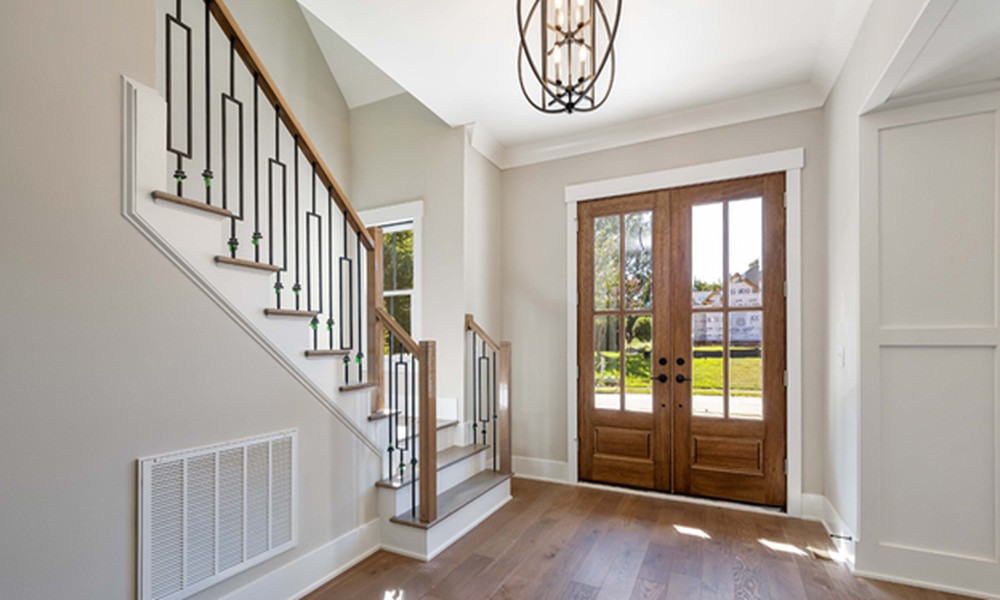
Living on Long Island offers incredible perks-picturesque beaches, sweeping ocean views, and a relaxed, maritime lifestyle. However, the exact same coastal geographical features that make the region so beautiful also inflict a brutal toll on your home’s exterior components.
From the luxury estates of the Hamptons to the busy commuter neighborhoods of Nassau and Suffolk counties, entry doors function as the front line of defense against a unique, aggressive marine climate. While an entry door in a landlocked state can easily last thirty years, the mix of Atlantic salt air, fluctuating humidity, and punishing coastal winds accelerates material degradation. Here are five ways Long Island’s distinct weather patterns fast-track the structural failure of your front door, signaling that a total replacement is due.
1. The Corrosive Action of Salt-Laden Ocean Air
Salt spray is one of the most destructive natural forces a home can face, and its impact stretches much further inland than most homeowners realize. Windborne salt particles can easily travel several miles away from the shoreline, settling on every square inch of your entryway.
When salt sits on a traditional steel or iron door, it chemically destroys the protective paint layer and triggers rapid oxidation. This results in pitting, flaking rust, and severe structural blistering along the bottom of the door and around the frame. Even worse, salt air penetrates your door’s mechanics, seizing locksets, freezing latches, and corroding heavy iron hinges until they snap. Once rust eats into the core structure of a door, patch repairs will no longer guarantee your home’s security.
2. Radical Humidity Swings and Atmospheric Expansion
Long Island weather is notoriously volatile, moving rapidly from humid, sticky summer days to crisp, damp winters. This continuous fluctuation in atmospheric moisture is incredibly damaging to solid wood entry doors.
Wood is naturally porous, functioning like a structural sponge. During a high-humidity summer stretch on the South Shore, wood doors absorb moisture from the air and swell across the grain. When winter arrives and the heating system kicks on inside, the wood dries out and contracts rapidly. Over several seasons, this repetitive swelling and shrinking splits the wooden panels, loosens structural joints, and warps the door slab itself. Once a door is warped, it will no longer sit flush against its jamb, leaving your home exposed to the elements.
3. Punishing Wind Pressures and Blistering Storms
Whether it’s a routine nor’easter moving up the coast or a severe late-summer tropical storm, Long Island homes are routinely subjected to high, sustained wind loads. When powerful gusts slam into a standard exterior door, they test the limits of its structural frame and seal integrity.
Continuous high winds create subtle, ongoing structural movement. Over time, these pressures pull mounting screws loose, warp structural framing, and tear flexible weatherstripping away from the threshold. Furthermore, windborne sand and coastal debris act like a natural sandpaper blast, stripping away protective clear coats and exposing raw wood or metal beneath to immediate rot. If your door rattles aggressively or visibly bows during a storm, the internal reinforcement has likely failed.
4. Direct, Scorching UV Radiation (Thermal Shock)
Front doors that face south or west on Long Island absorb hours of intense, unshaded afternoon sunlight. This problem is compounded if you have a dark-colored door or a glass storm door that traps heat, creating a greenhouse effect.
Sustained ultraviolet (UV) radiation breaks down chemical paint binders, causing colors to fade and finishes to crack or peel. For fiberglass doors, cheap or aged resin skins can dry out under intense heat, leading to hairline cracking and structural brittleness. This extreme thermal expansion during the day, followed by rapid cooling at night, causes thermal shock, which quickly ruins the door’s seals and breaks down its underlying insulation foam core.
5. Freeze-Thaw Driving Rain and Condensation Rot
Winter on the Island brings a messy mix of freezing rain, sleet, and melting snow. When driving rain strikes an unshielded door, water flows down the panels and pools directly on the horizontal wooden rails and bottom threshold.
If your door lacks a proper metal drip cap or features a damaged bottom seal, that water creeps up into the subfloor and behind the trim. When the temperature drops below freezing overnight, that trapped water freezes and expands, physically splitting the wood fibers apart. This creates hidden pockmarks of dry rot and mold that multiply out of sight, quietly compromising the structural stability of your entire entryway floor framing.
The Professional Verdict: Trying to repeatedly scrape, paint, and patch a entry system that has been structurally compromised by coastal elements is a temporary fix that wastes time and money. Upgrading to a premium, weather-engineered fiberglass system ensures absolute rot-free security.
If your front door is drafty, visibly rusted, dragging against the floor, or requires excessive force just to lock securely, it is no longer doing its job. Restore your home’s security, energy efficiency, and coastal curb appeal by searching for an expert in door repair near me to evaluate your entryway and install a rock-solid, weather-resistant barrier built to withstand New York’s toughest seasons.