
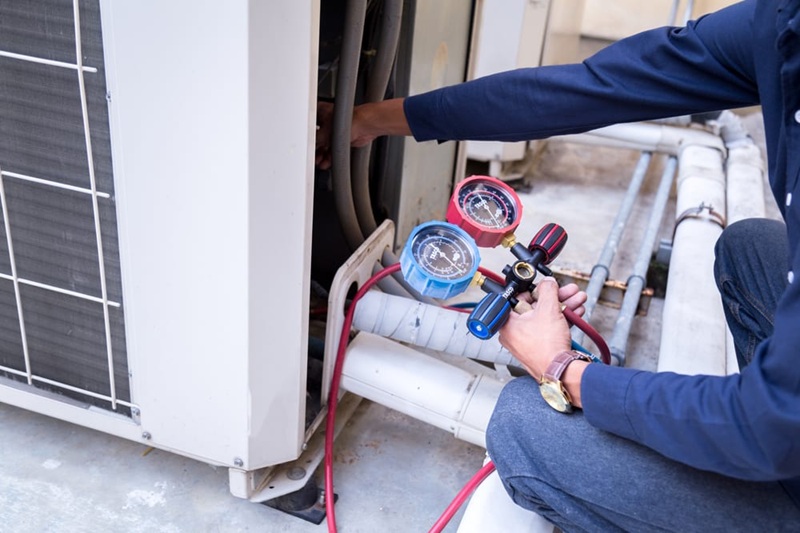
Aircon leaking represents one of the most underestimated threats to your home’s structural integrity and your family’s health, yet most homeowners remain blissfully unaware until the damage becomes catastrophically expensive. Like a silent infiltrator, water dripping from your air conditioning unit can transform from a minor inconvenience into a full-scale domestic disaster within weeks.
The evidence is mounting across households worldwide: what begins as a few innocent drops beneath your indoor unit can rapidly escalate into ceiling damage, electrical hazards, and extensive property repairs. Understanding the mechanics behind this phenomenon isn’t merely about home maintenance—it’s about protecting your most significant investment.
The Anatomy of Air Conditioning Water Damage
Modern air conditioning systems operate on a deceptively simple principle: they extract moisture from warm air as part of the cooling process. This condensation must be efficiently channelled away from your living space through a carefully designed drainage system. When this system fails, the consequences unfold with ruthless precision.
The condensate drain pan, typically located beneath the evaporator coil, serves as the first line of defence against water damage. However, this seemingly robust component faces constant assault from humidity, temperature fluctuations, and the inevitable accumulation of debris. Research conducted across Singapore’s high-humidity environment reveals that blocked drainage systems account for approximately 73% of all residential air conditioning water damage incidents.
The Five Critical Failure Points
Investigation into thousands of aircon leaking cases has identified five primary vulnerabilities that homeowners must understand:
• Clogged condensate drain lines: Algae, dust, and debris form impenetrable blockages that force water to seek alternative escape routes
• Damaged or corroded drain pans: Years of constant moisture exposure cause metal pans to rust through or plastic components to crack
• Frozen evaporator coils: Restricted airflow or refrigerant issues create ice formations that, upon melting, overwhelm drainage capacity
• Improper installation angles: Inadequate slope in drain lines prevents gravity-assisted water flow, creating stagnant pools
• Disconnected or damaged drainage tubing: Vibration, age, or poor maintenance causes crucial connections to fail
The Singapore Factor: When Climate Becomes Your Enemy
Singapore’s relentless humidity creates particularly challenging conditions for air conditioning systems. As one senior HVAC engineer noted: “In Singapore’s climate, your aircon isn’t just cooling your space—it’s essentially operating as a dehumidifier 24/7. This constant moisture extraction places extraordinary demands on drainage systems that weren’t designed for such intensive use.”
This climatic reality means that Singapore residents face accelerated wear on their air conditioning components. The combination of high humidity, frequent rainfall, and year-round usage creates a perfect storm for drainage system failures.
The Economic Reality of Neglect
The financial implications of ignoring early warning signs extend far beyond simple repair costs. Water damage spreads through building materials with alarming efficiency, potentially affecting:
• Ceiling structures and paintwork requiring extensive renovation
• Electrical systems necessitating complete rewiring for safety compliance
• Flooring materials, including expensive hardwood or imported tiles
• Personal belongings, electronics, and furnishings positioned beneath leaking units
• Mould remediation requiring professional treatment and temporary relocation
Insurance industry data suggests that the average cost of water damage from air conditioning failures ranges between £3,000 and £15,000, depending on the extent of structural impact and the duration before detection.
Early Warning System: Recognising the Signs
Successful prevention requires vigilant monitoring of your air conditioning system’s behaviour. The following indicators demand immediate investigation:
• Water stains or discolouration on ceilings or walls near the indoor unit
• Musty odours suggesting mould or mildew development
• Visible water pooling around the base of the indoor unit
• Unusual sounds such as gurgling from drainage areas
• Reduced cooling efficiency accompanied by higher electricity bills
Strategic Prevention Protocol
Professional maintenance schedules represent your most effective defence against catastrophic failures. Monthly visual inspections should include checking drain pan conditions, ensuring clear drainage pathways, and monitoring for unusual moisture accumulation.
Quarterly professional servicing becomes particularly crucial in Singapore’s demanding climate. During these sessions, technicians can identify emerging problems before they reach critical thresholds, clean drainage systems thoroughly, and adjust components for optimal performance.
The Technology Solution
Modern smart home integration offers sophisticated monitoring capabilities that can detect drainage problems before visible symptoms appear. Moisture sensors, smart thermostats with diagnostic capabilities, and IoT-enabled air conditioning units provide real-time alerts about system performance anomalies.
These technological solutions prove particularly valuable for property owners who travel frequently or manage multiple properties, enabling remote monitoring and early intervention capabilities.
Emergency Response Procedures
When leaking occurs, immediate action determines the extent of resulting damage. Switch off the affected unit immediately to prevent further water production, document the situation with photographs for insurance purposes, and contact qualified technicians for professional assessment.
Temporary containment measures using waterproof materials can minimise immediate damage whilst awaiting professional repairs, but these should never substitute for proper technical intervention.
The investigation into residential air conditioning failures reveals a consistent pattern: homeowners who implement proactive maintenance strategies successfully avoid the devastating costs associated with aircon leaking, whilst those who adopt reactive approaches invariably face exponentially higher expenses and more extensive property damage.