
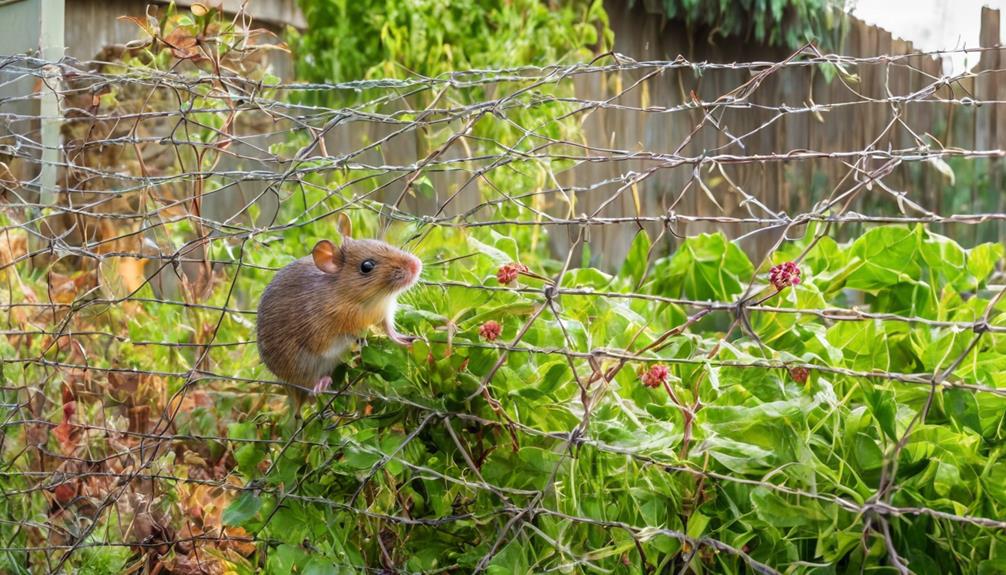
Rats in St. Louis may nest in yards, gardens, and sheds before finding their way indoors. They can damage plants and chew through structures once they have established camps. Also, they can create a health risk for your family and pets. But you can make your outdoor space less inviting to these unwanted guests with the right strategies. Also, working with Pointe Pest Control ensures your rat issue is gone for good. The company offers rat control services that target infestations from the ground up. With year-round service plans, the company removes active pests and helps prevent future pest-related problems.
St. Louis yards provide rats with food, water, and shelter. They can have easy meals out of vegetable gardens, fruit trees, bird feeders, and compost bins. Also, they can use overgrown shrubs, woodpiles, and clutter as hiding spots. They can keep themselves hydrated by taking advantage of pet bowls or leaky hoses. To control rat populations in your area, below are tips you can consider:
Keep Food Sources Out of Reach
Harvest ripe fruits and vegetables in your garden promptly. Fallen produce is a favorite rat snack. Bird feeders can spill seed that attracts rodents. Using a feeder with a catch tray or reducing how often you feed birds can help. Store pet food and grass seed in sealed containers. Also, avoid leaving pet bowls outside overnight.
Manage Trash and Compost Wisely
Garbage bins should always have tight-fitting lids. It helps to rinse them out regularly to reduce odors. Compost bins should be rodent-resistant, with a lid and solid sides instead of open piles. Avoid adding meat, dairy, or oily foods to compost, as these attract rats in St. Louis.
Trim Back Overgrowth and Clutter
Keep shrubs trimmed and grass cut to reduce cover. Woodpiles and yard equipment should be elevated at least a foot off the ground. If you use outdoor storage sheds, check that doors close tightly and seal any gaps at the base.
Protect Your Garden
Rats can raid gardens for vegetables, fruits, and seeds. Raised garden beds with wire mesh bottoms can prevent rats from tunneling up into the soil. Netting or fencing with fine mesh can also keep them away from plants above ground. If you grow food in containers, place them on stands or racks.
Secure Water Sources
Check for leaky faucets, broken irrigation lines, or pooling water around your property. Bring pet water bowls indoors at night. Also, dump out kiddie pools when not in use. Decorative ponds or birdbaths can also draw rodents, so maintaining them properly is key.
Be Aware of Burrows
Rats create burrows in soft soil. These can happen near fences, sheds, or under bushes. Filling burrows with gravel or soil may provide a temporary fix, but rats usually dig again nearby. A professional inspection is often needed to identify and block these nesting sites permanently.
Use Natural Deterrents
The scents of peppermint oil, clove oil, or ammonia can deter rats. You may discourage these rodents from setting up camp on your outdoor space if you apply a diluted spray of peppermint oil around garden beds, shed entrances, or near burrows.
Install Motion-Activated Lights or Sprinklers
Rats prefer to move in the dark and avoid sudden disturbances. Motion-activated lights or sprinklers can surprise and scare them away from gardens or trash bins. This method works well for yards where rats are most active at night.
Outdoor rat problems often feel overwhelming because they extend beyond one yard. Rats travel between properties, use sewer systems, and adapt to traps. Professional pest control ensures the problem is handled thoroughly. It uses long-term solutions that target the root causes.