
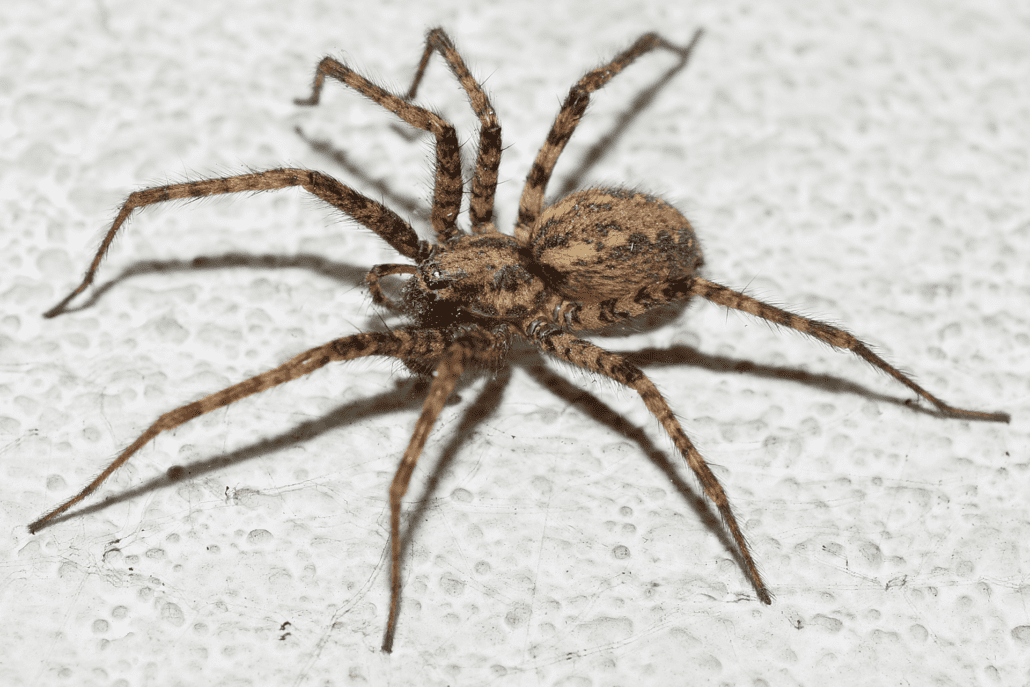
If you live in Portland, you know the score: October hits, and the eight-legged guests show up overnight in every corner of your house. During the fall months, however, giant house spiders can make evenings seem nice and quiet until these speedy arachnids arrive on the scene. Over 70% of homeowners have seen several spiders day after day, mostly in basements, garages, and near entry points.
Though these types of spiders are harmless, their size and speed can be a bother for families. Pest control professionals, such as pointepest.com can help get rid of recurring spider problems effectively while following long-term solutions that work well in Portland spider features.
What Are Giant House Spiders?
The giant house spider is one of the largest spiders found in Portland homes and can be found in sizes with females approximately 18mm in body length and over 4 in leg span. The stowaway spider, a brown hairy spider that zooms about at a speed of 1.73 feet per second, is another of those that can be quite a shock when you suddenly come across one.
Males have longer legs and a more petite body than females, whereas females have a broader shape with shorter, thicker legs. They have a dark brown to grayish-brown coloration with faint patterns, which helps them camouflage when resting on wooden surfaces and in dark corners.
Why Fall Attracts Giant House Spiders To Your Portland Home?
-
Mating Season Drives Indoor Migration
Giant house spiders are at the height of their mating season from September to November. This is the time when males become most active, roaming widely in search of females. That biological impulse forces them out of their natural hiding spaces in the wild and into houses where they come into more regular contact with humans.
-
Shorter Daylight Hours Trigger Behavior Changes
Then, through autumn, Portland quickly loses daylight: by November, it has just 9.5 hours compared to 12 hours in September. That is when families are generally home, and this shift induces a hormonal response in spiders that causes them to be more active in the evening.
-
Food Sources Become Scarce Outdoors
Spiders move indoors, following their food sources as Portland’s garden insects perish or hibernate. Dwellings offer a bounteous larder of prey, including flies, moths, and other airborne insects looking for warm places to hide from the elements in colder months.
-
Structural Vulnerabilities in Portland Homes
Seasonal gaps develop around windows and doors in many Portland homes, especially in older craftsman-style houses found in areas like Hawthorne and Alberta, where wood contracts in cooler weather. Those gaps make ideal entry points for spiders.
-
Landscape Features Attract Spiders Closer
The lush gardens and abundant foliage found in and around Portland create perfect spider homes right next to our own homes. When outdoor conditions are not particularly inviting, it is only natural for spiders to migrate from garden areas, wood piles, and overgrown shrubs to the nearest structure.
When to Call a Pro?
If you encounter giant house spiders daily or constantly find them in bedrooms or living areas, it is probably time to call in the professionals. Spiders are hunters, and their large numbers almost always mean there are plenty of food sources, meaning other pests are close at hand. Therefore, ongoing spider problems usually point to larger pest problems. If you have been trying DIY methods for about 2–3 weeks without success, professional treatment will be needed for successful long-term control.
Pointe Pest Control, a Portland-based company, knows the seasonal and environmental nuances of spider infestations in our Pacific Northwest region. They will know the unique entry points that our Portland housing styles have and can deliver specific treatments that will treat active infestations and prevent future issues. Professional services come in handy when spiders are found in several rooms or if household members are afraid of spider encounters.